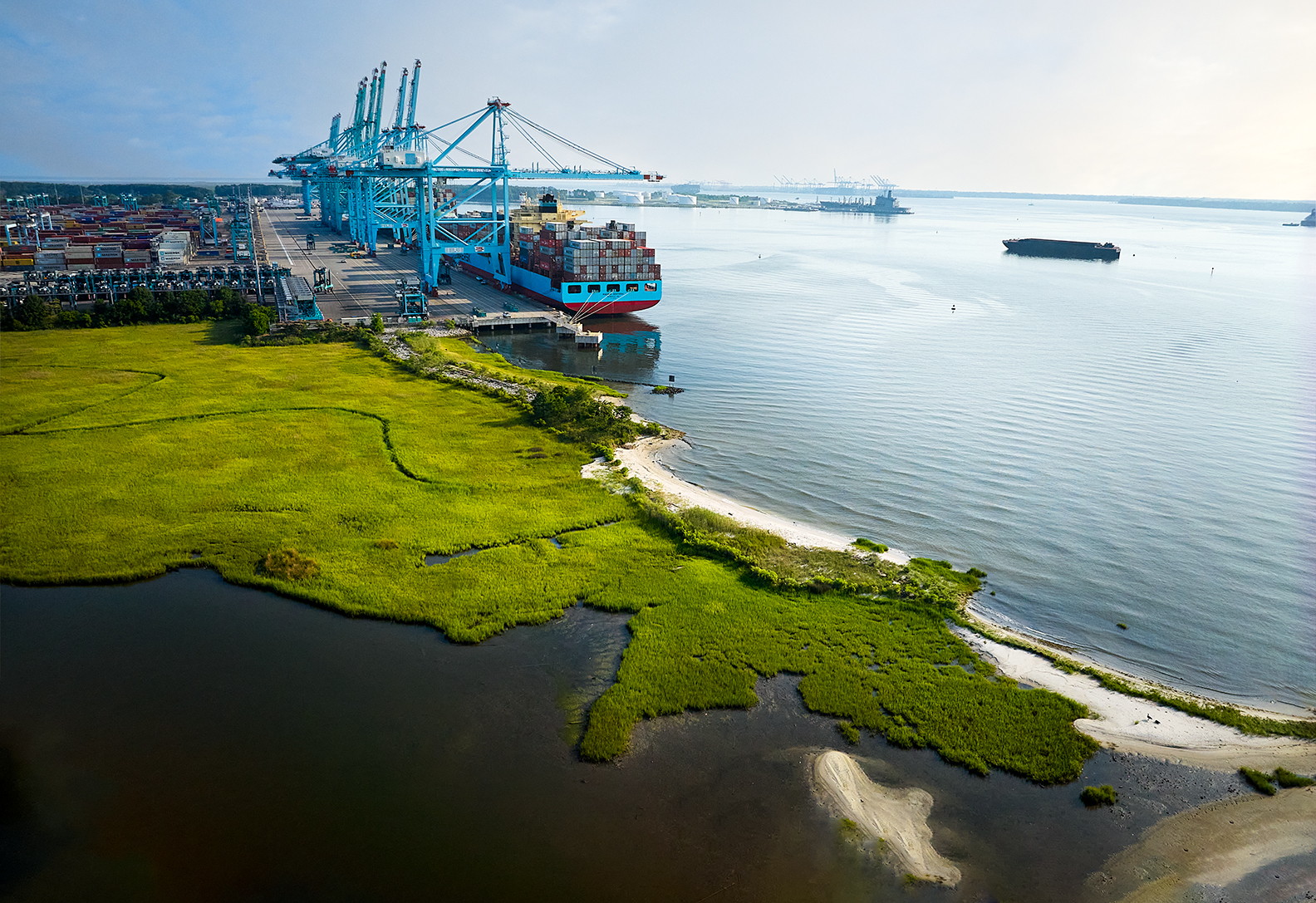
At The Port of Virginia, sustainability matters. America’s Most Modern Gateway moves cargo with the lowest carbon emissions per TEU on the U.S. East Coast, and we remain committed to achieving net-zero carbon emissions by 2040.
Net-Zero By 2040
The Port of Virginia is committed to Net-Zero by 2040 (Scope 1 & 2 carbon emissions), the earliest commitment of any U.S. East Coast port.
$380M Go-Zero Program
The Port of Virginia received the second-highest award of $380 million from the US Environmental Protection Agency (EPA)’s Clean Ports Grant Program. This investment will deliver cleaner, safer, and more efficient operations, as the port continues its transition to newer zero-emission equipment.
75% Emissions Reduction
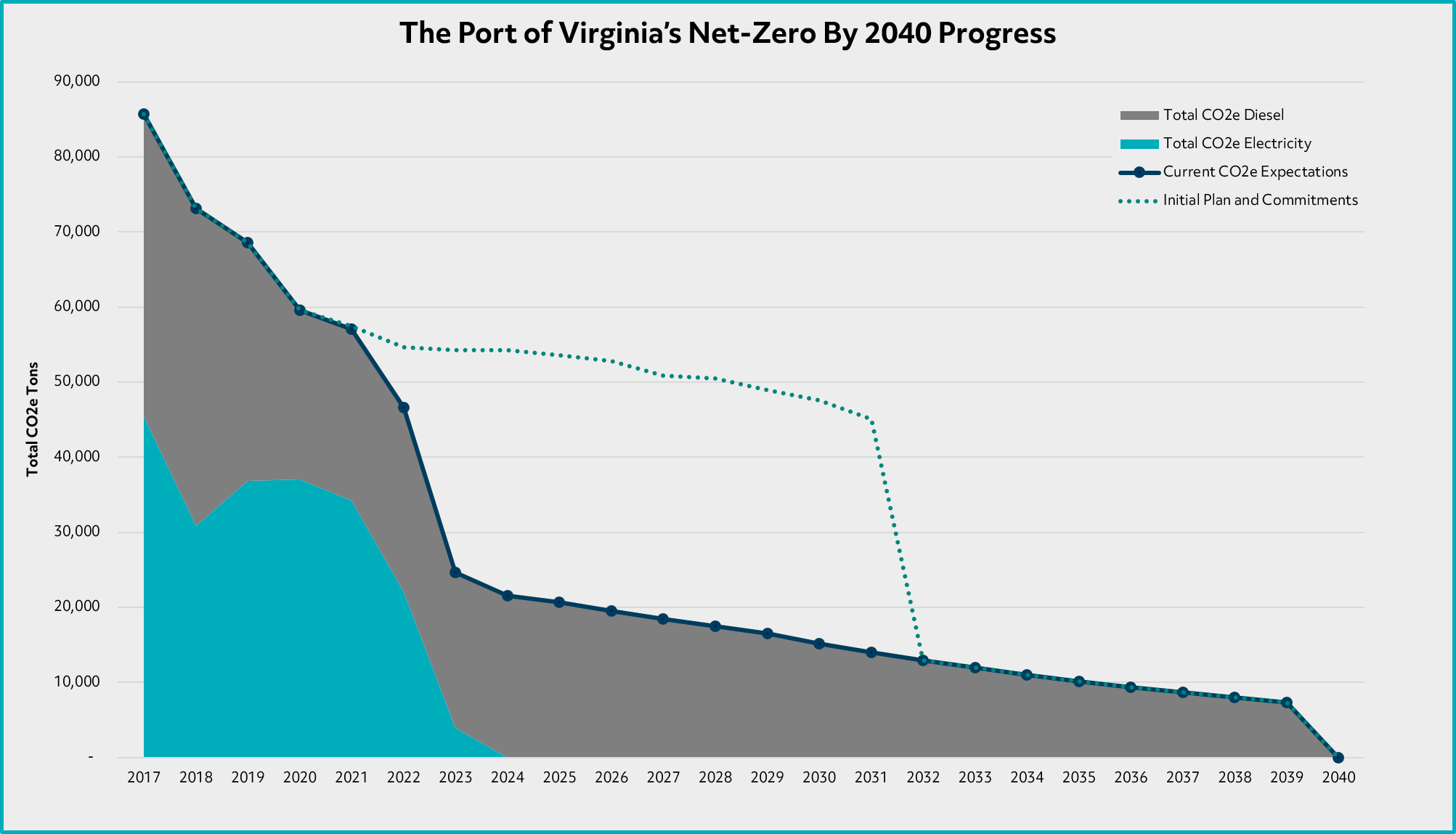
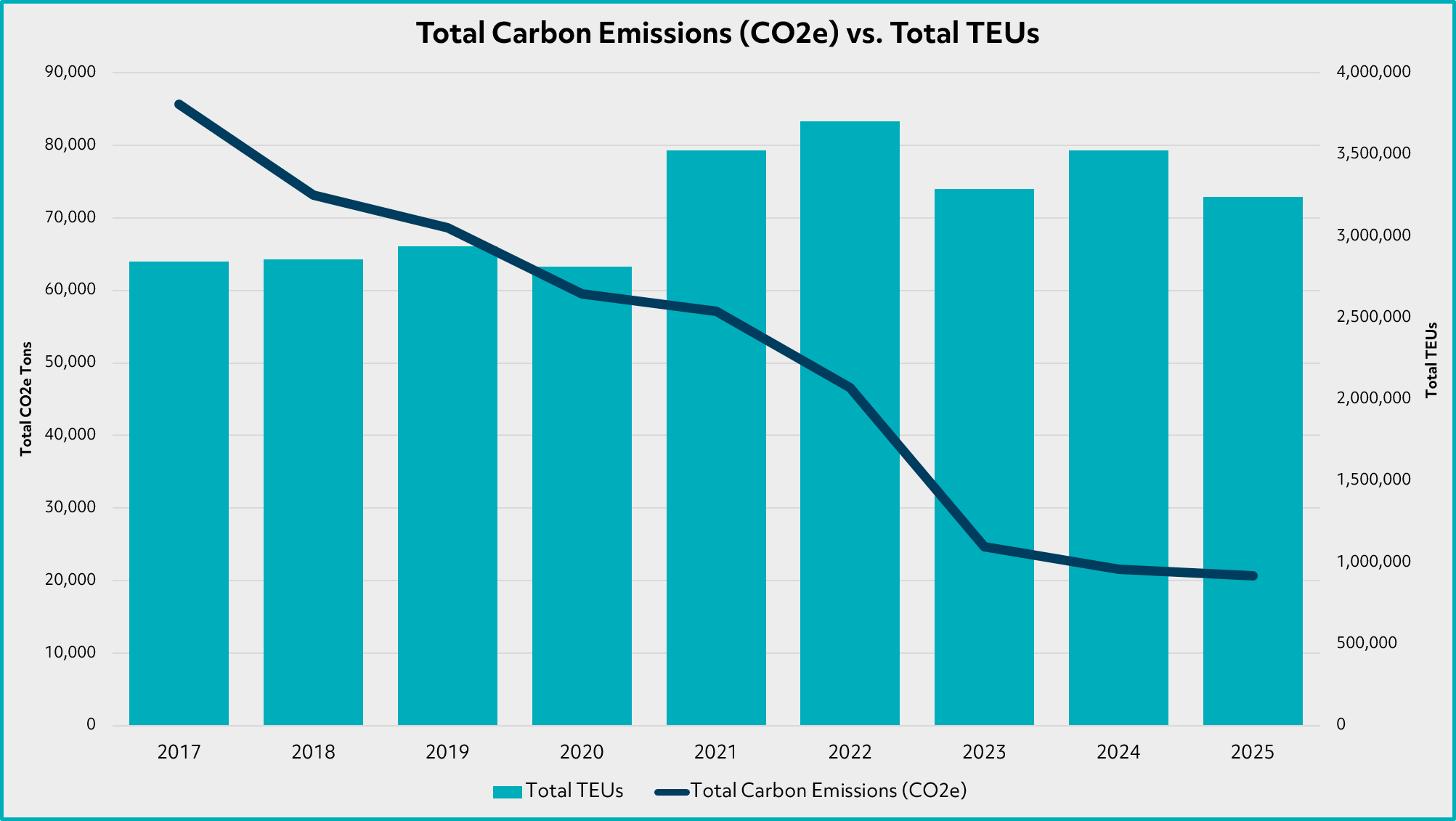
Since 2017, The Port of Virginia has reduced emissions by 75% port-wide. Investments in modern, electric equipment and the usage of clean electricity allows cargo to move with the lowest carbon emissions per TEU on the U.S. East Coast
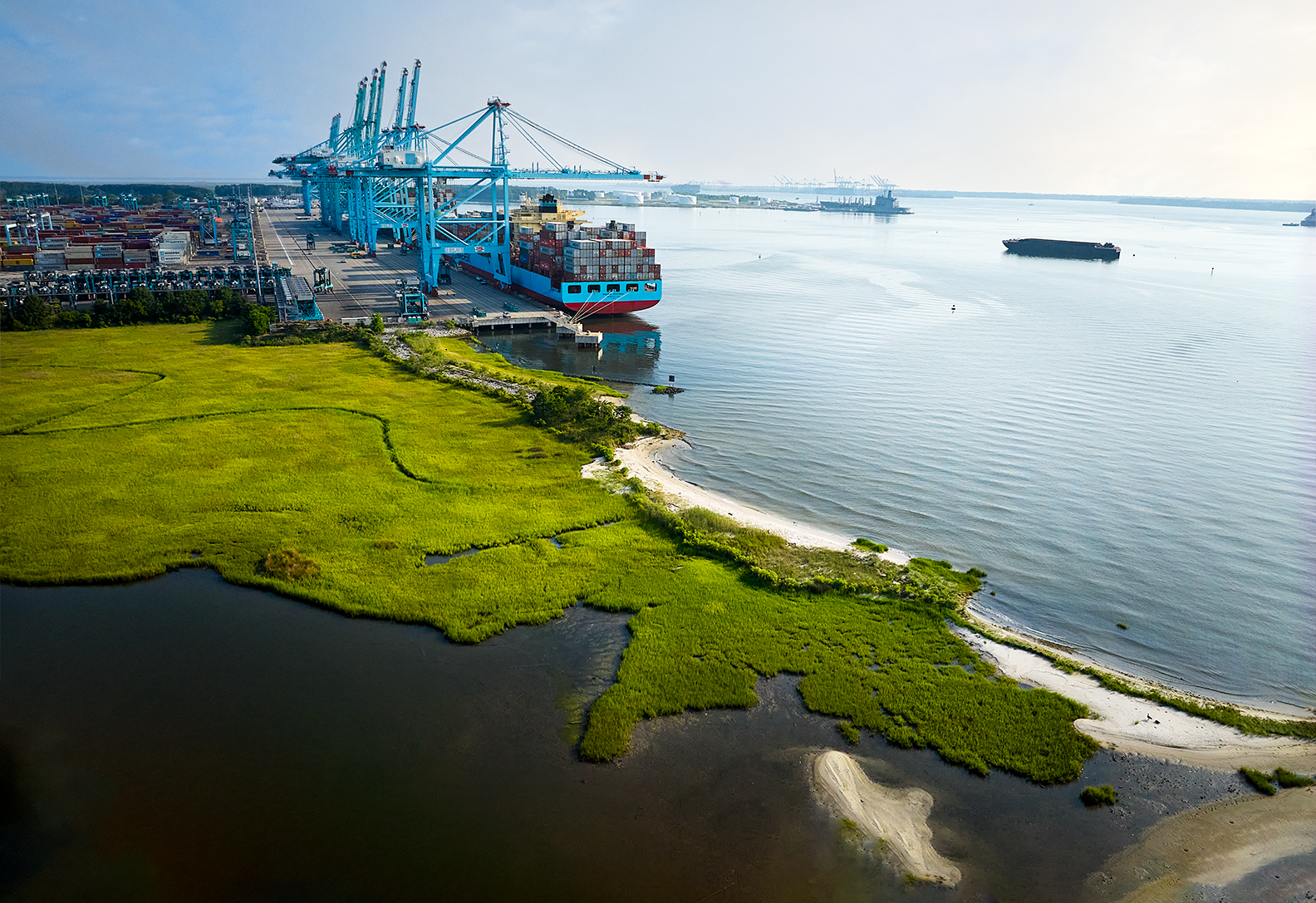
As an industry leader in sustainability, The Port of Virginia provides data and insights into our operations and our progress towards our goal of achieving net-zero carbon emissions by 2040.
Net-Zero By 2040 Progress
Carbon Emissions Per TEU
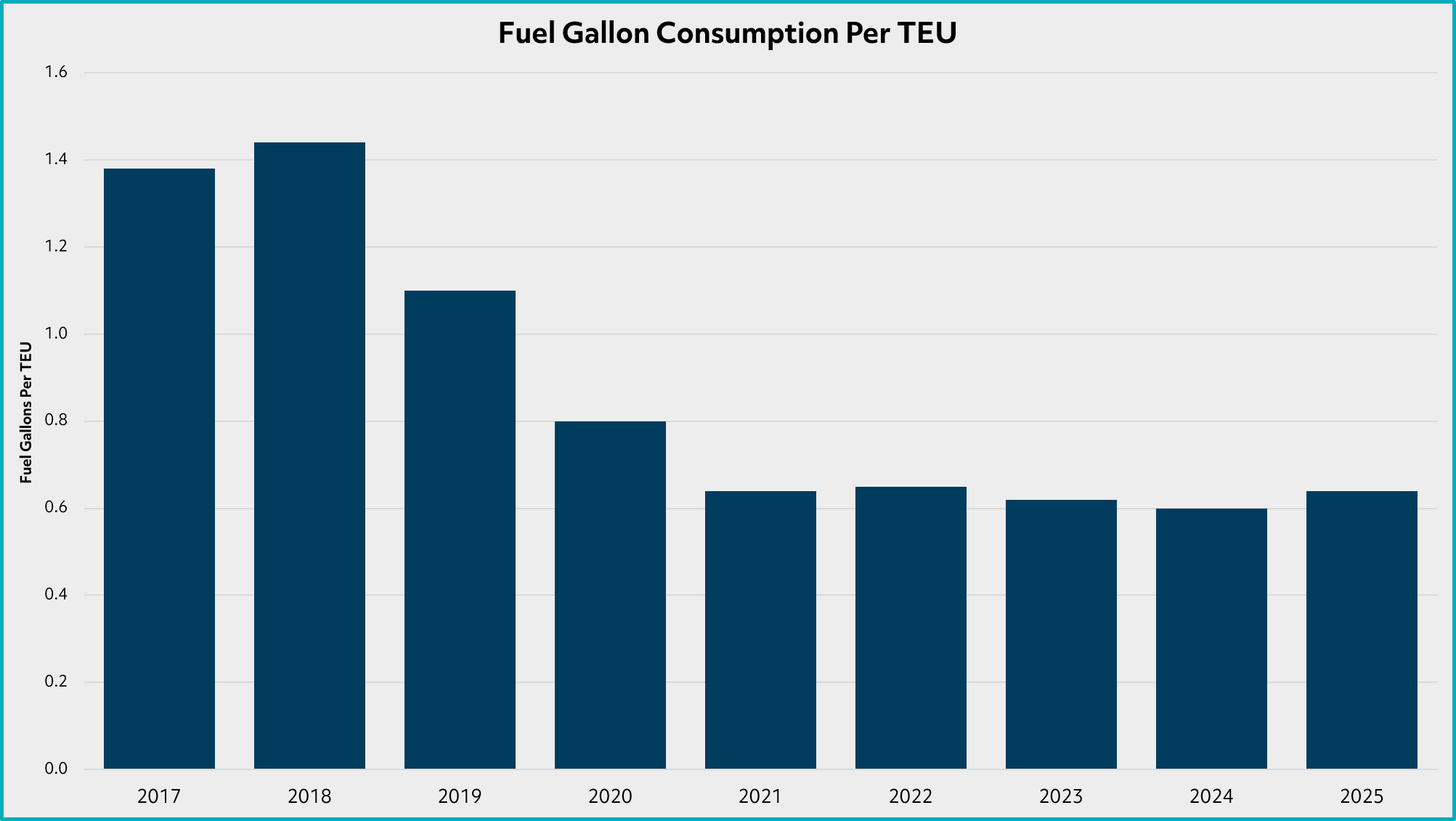
Fuel Gallon Consumption Per TEU
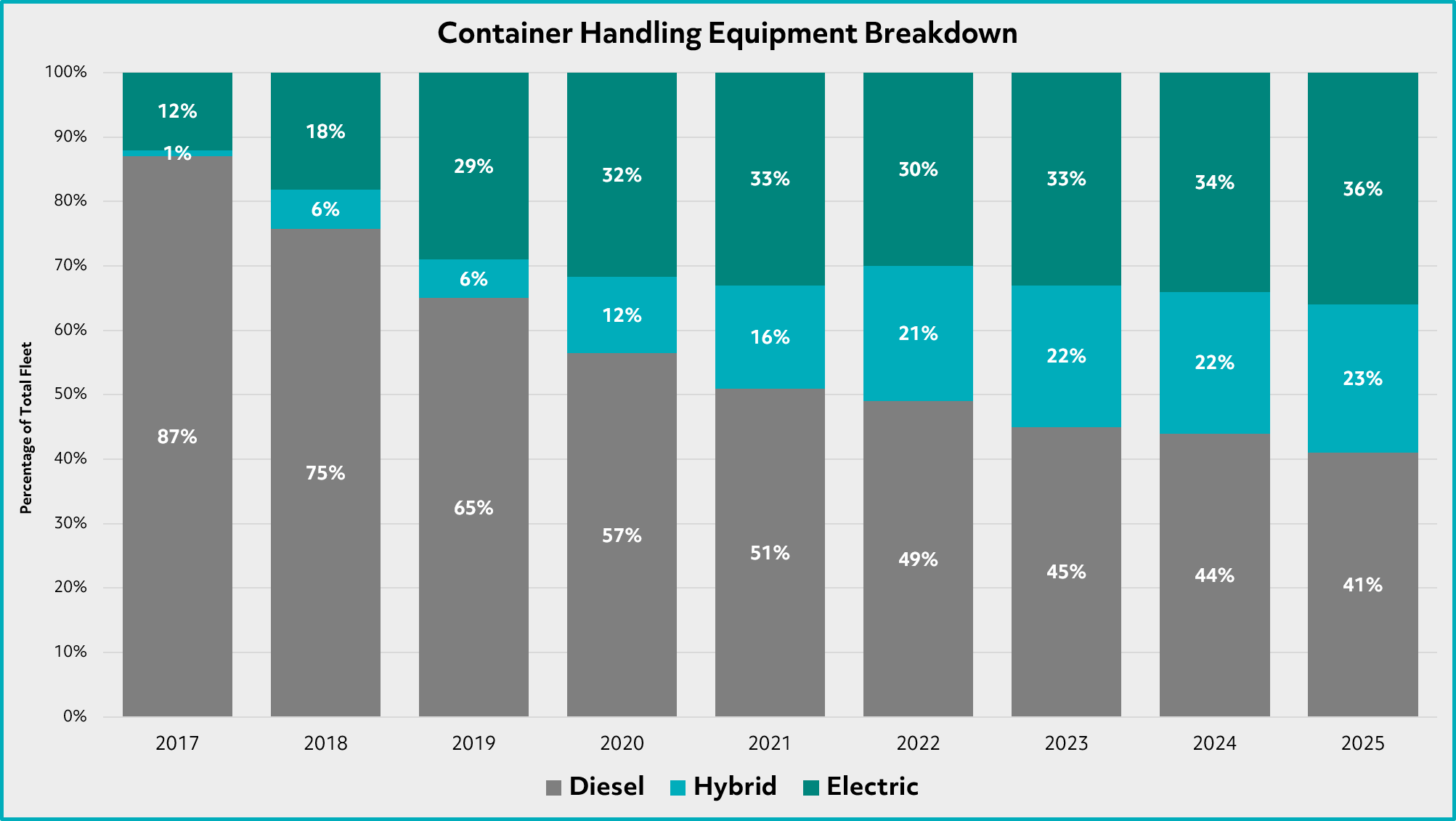
Container Handling Equipment Breakdown
Visit our Community page for additional information and data on our sustainability efforts.
$380M Go-Zero Program
The Port of Virginia received the second-highest award of $380 million from the US Environmental Protection Agency (EPA)’s Clean Ports Grant Program. This investment will deliver cleaner, safer, and more efficient operations, as the port continues its transition to newer zero-emission equipment.
- 400+ new electric assets & equipment
- $8M in health savings & improved work conditions
- $16M in fuel cost savings
- For the latest updates, read our newsletter here
Port Efficiencies
Our advanced container operations and highly-skilled workforce ensures The Port of Virginia offers industry-leading service metrics, reducing idling time on terminal and moving cargo safely and efficiently.
- 36-minute truck turn times
- 34-hour rail ready dwell hours
- 33 crane moves per hour
- For more information on our gateway advantages, visit this webpage
Operating on 100% Clean Energy
- Learn more about our 100% clean energy operations here
TRUCK
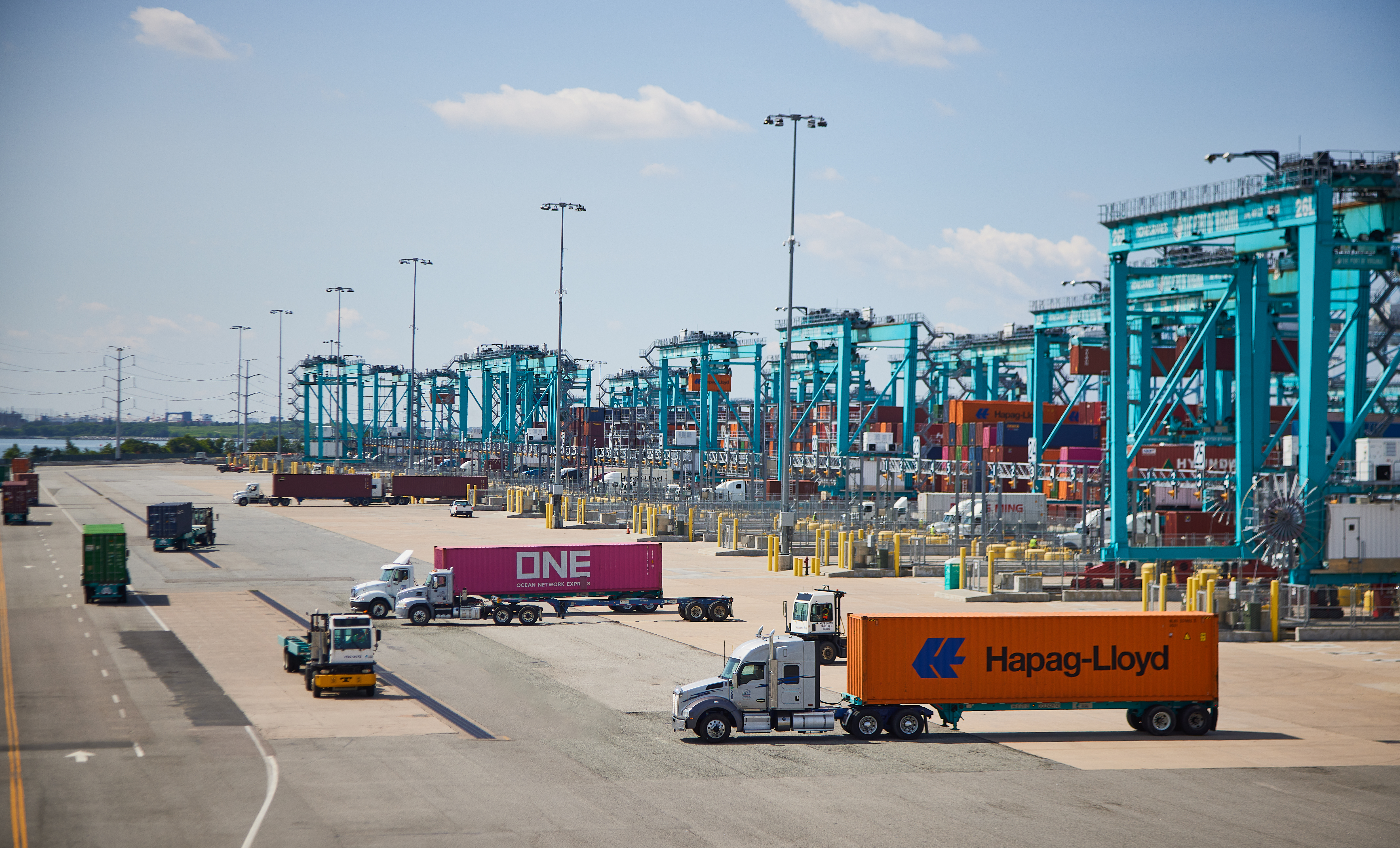
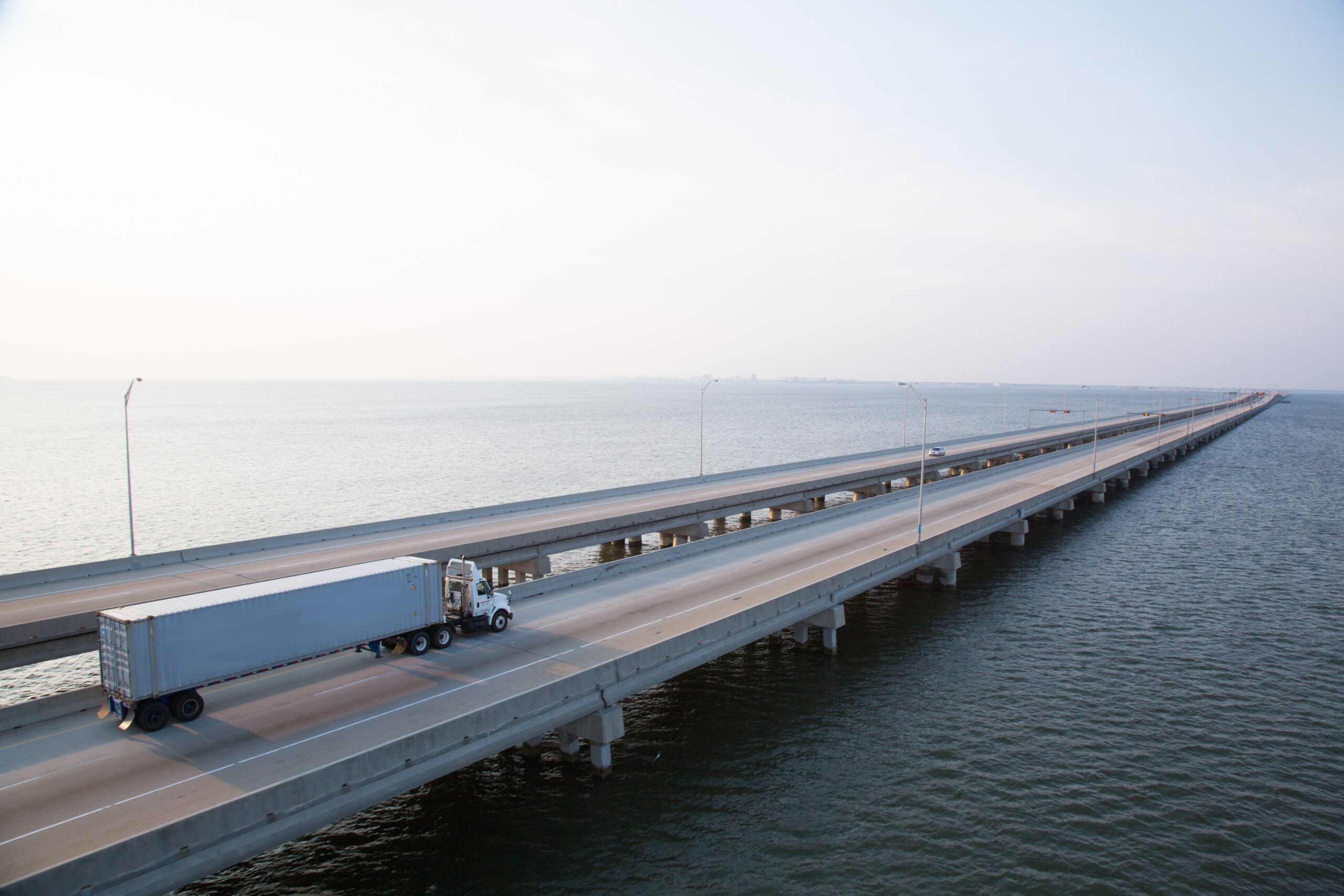
At the port, we proactively collaborate with our trucking community and state, local, and federal agencies to provide modern solutions for over-the-road cargo movements.
- $5B in Roadway Investments: The Commonwealth of Virginia is investing $5 billion to improve roadway connectivity and efficiency and reduce congestion
- GO-Zero & Green Operator: Our longstanding Green Operator program has reduced emissions by helping replace more than 400 older diesel trucks to date, while the newly deployed GO-Zero Program is providing funding for at- and near-zero emission trucks
- Trucker Reservation System: PRO-Pass, the port’s trucker reservation system, is a critical resource that helps reduce truck turn times and improve operational efficiency
RAIL
Our rail service provides access to an expansive network of inland markets, reducing over-the-road movements.
- Rail Volume: We move nearly 40 percent of our cargo via rail, more than any other U.S. East Coast port, substantially reducing emissions versus over-the-road movements
- Virginia Inland Port: The Virginia Inland Port (VIP) is a strategically located inland port and rail facility in Front Royal, VA, that helps keep over 20,000 trucks off the road annually — saving more than 4.6M truck miles on Virginia’s highways annually
- RailGreen: As like-minded partners, The Port of Virginia is collaborating with Norfolk Southern and 123Carbon to directly fund lower-carbon transportation fuel solutions through the Virginia Inland Port
BARGE
Our frequent, streamlined barge service from our deepwater marine terminals to our Richmond Marine Terminal facility results in 56 percent less carbon emissions than moving freight by truck.
- Richmond Marine Terminal: This service keeps 30,000 trucks off the road and saves more than 3 million truck miles on Virginia’s highways annually
Chesapeake Bay Foundation
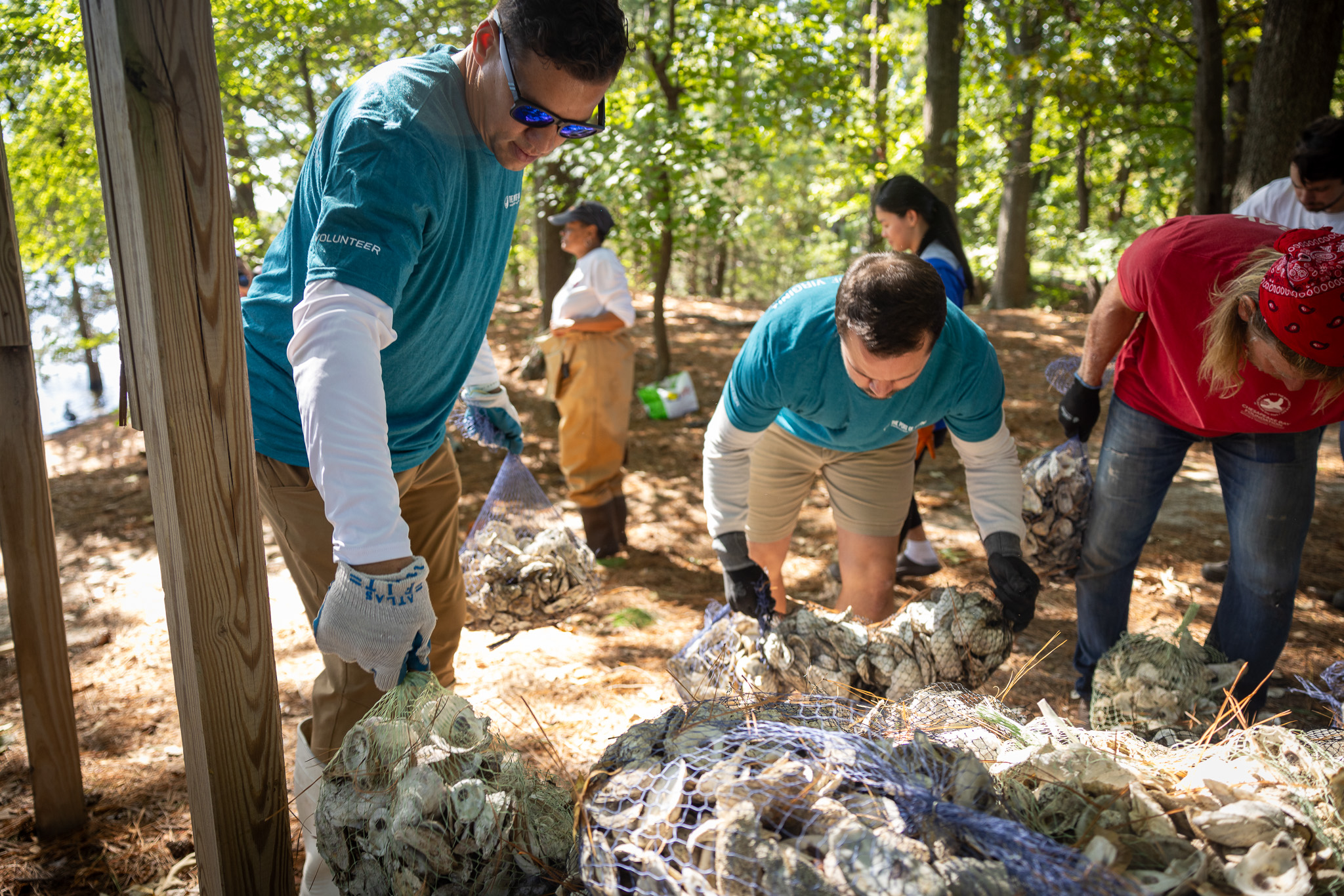
We’re proud to partner with the Chesapeake Bay Foundation on volunteer efforts in our community, including the annual Clean the Bay Day, living shoreline projects, oyster reef restorations, and more efforts to protect and preserve our local waterways. Visit CBF.org to learn more about the foundation.
Elizabeth River Project
The port received its 23rd consecutive River Star Business Award for Sustained Distinguished Performance from the Elizabeth River Project (ERP), a regional nonprofit focused on protecting the Elizabeth River and its watershed. This year, ERP recognized the port’s ongoing efforts to reduce carbon emissions, drive innovation, and track meaningful environmental results. Learn more about ERP’s efforts at ElizabethRiver.org.
Hampton Roads Sanitation District
The Hampton Roads Sanitation District awarded the port with three awards in 2025 for perfect compliance records for waste water management at our facilities. Portsmouth Marine Terminal (PMT) and Virginia International Gateway (VIG) received the Platinum award for six consecutive years of perfect compliance, and Norfolk International Terminals (NIT) received the Gold award for a perfect compliance record in 2024.
ISO 14001 Certification
ISO 14001 is the internationally recognized standard for Environmental Management Systems (EMS). It provides a structured framework for organizations of any size to manage their environmental impacts, improve resource efficiency, and fulfill legal compliance obligations. All 6 of the ports marine terminals are certified in ISO 14001. Implementing this system helps improve operational efficiency, regulatory compliance, ensures teams are competent and trained, establishes controls for operations, enhances life cycle efficiency, and helps enhance reputation.
At The Port of Virginia, sustainability matters. America’s Most Modern Gateway moves cargo with the lowest carbon emissions per TEU on the U.S. East Coast, and we remain committed to achieving net-zero carbon emissions by 2040.
Net-Zero By 2040
The Port of Virginia is committed to Net-Zero by 2040 (Scope 1 & 2 carbon emissions), the earliest commitment of any U.S. East Coast port.
$380M Go-Zero Program
The Port of Virginia received the second-highest award of $380 million from the US Environmental Protection Agency (EPA)’s Clean Ports Grant Program. This investment will deliver cleaner, safer, and more efficient operations, as the port continues its transition to newer zero-emission equipment.
75% Emissions Reduction
Since 2017, The Port of Virginia has reduced emissions by 75% port-wide. Investments in modern, electric equipment and the usage of clean electricity allows cargo to move with the lowest carbon emissions per TEU on the U.S. East Coast
As an industry leader in sustainability, The Port of Virginia provides data and insights into our operations and our progress towards our goal of achieving net-zero carbon emissions by 2040.
Net-Zero By 2040 Progress
Carbon Emissions Per TEU
Fuel Gallon Consumption Per TEU
Container Handling Equipment Breakdown
Visit our Community page for additional information and data on our sustainability efforts.
$380M Go-Zero Program
The Port of Virginia received the second-highest award of $380 million from the US Environmental Protection Agency (EPA)’s Clean Ports Grant Program. This investment will deliver cleaner, safer, and more efficient operations, as the port continues its transition to newer zero-emission equipment.
- 400+ new electric assets & equipment
- $8M in health savings & improved work conditions
- $16M in fuel cost savings
- For the latest updates, read our newsletter here
Port Efficiencies
Our advanced container operations and highly-skilled workforce ensures The Port of Virginia offers industry-leading service metrics, reducing idling time on terminal and moving cargo safely and efficiently.
- 36-minute truck turn times
- 34-hour rail ready dwell hours
- 33 crane moves per hour
- For more information on our gateway advantages, visit this webpage
Operating on 100% Clean Energy
- Learn more about our 100% clean energy operations here
TRUCK
At the port, we proactively collaborate with our trucking community and state, local, and federal agencies to provide modern solutions for over-the-road cargo movements.
- $5B in Roadway Investments: The Commonwealth of Virginia is investing $5 billion to improve roadway connectivity and efficiency and reduce congestion
- GO-Zero & Green Operator: Our longstanding Green Operator program has reduced emissions by helping replace more than 400 older diesel trucks to date, while the newly deployed GO-Zero Program is providing funding for at- and near-zero emission trucks
- Trucker Reservation System: PRO-Pass, the port’s trucker reservation system, is a critical resource that helps reduce truck turn times and improve operational efficiency
RAIL
Our rail service provides access to an expansive network of inland markets, reducing over-the-road movements.
- Rail Volume: We move nearly 40 percent of our cargo via rail, more than any other U.S. East Coast port, substantially reducing emissions versus over-the-road movements
- Virginia Inland Port: The Virginia Inland Port (VIP) is a strategically located inland port and rail facility in Front Royal, VA, that helps keep over 20,000 trucks off the road annually — saving more than 4.6M truck miles on Virginia’s highways annually
- RailGreen: As like-minded partners, The Port of Virginia is collaborating with Norfolk Southern and 123Carbon to directly fund lower-carbon transportation fuel solutions through the Virginia Inland Port
BARGE
Our frequent, streamlined barge service from our deepwater marine terminals to our Richmond Marine Terminal facility results in 56 percent less carbon emissions than moving freight by truck.
- Richmond Marine Terminal: This service keeps 30,000 trucks off the road and saves more than 3 million truck miles on Virginia’s highways annually
Chesapeake Bay Foundation
We’re proud to partner with the Chesapeake Bay Foundation on volunteer efforts in our community, including the annual Clean the Bay Day, living shoreline projects, oyster reef restorations, and more efforts to protect and preserve our local waterways. Visit CBF.org to learn more about the foundation.
Elizabeth River Project
The port received its 23rd consecutive River Star Business Award for Sustained Distinguished Performance from the Elizabeth River Project (ERP), a regional nonprofit focused on protecting the Elizabeth River and its watershed. This year, ERP recognized the port’s ongoing efforts to reduce carbon emissions, drive innovation, and track meaningful environmental results. Learn more about ERP’s efforts at ElizabethRiver.org.
Hampton Roads Sanitation District
The Hampton Roads Sanitation District awarded the port with three awards in 2025 for perfect compliance records for waste water management at our facilities. Portsmouth Marine Terminal (PMT) and Virginia International Gateway (VIG) received the Platinum award for six consecutive years of perfect compliance, and Norfolk International Terminals (NIT) received the Gold award for a perfect compliance record in 2024.
ISO 14001 Certification
ISO 14001 is the internationally recognized standard for Environmental Management Systems (EMS). It provides a structured framework for organizations of any size to manage their environmental impacts, improve resource efficiency, and fulfill legal compliance obligations. All 6 of the ports marine terminals are certified in ISO 14001. Implementing this system helps improve operational efficiency, regulatory compliance, ensures teams are competent and trained, establishes controls for operations, enhances life cycle efficiency, and helps enhance reputation.